Termite Inspections In Coffs Harbour: What To Expect & Why They Matter
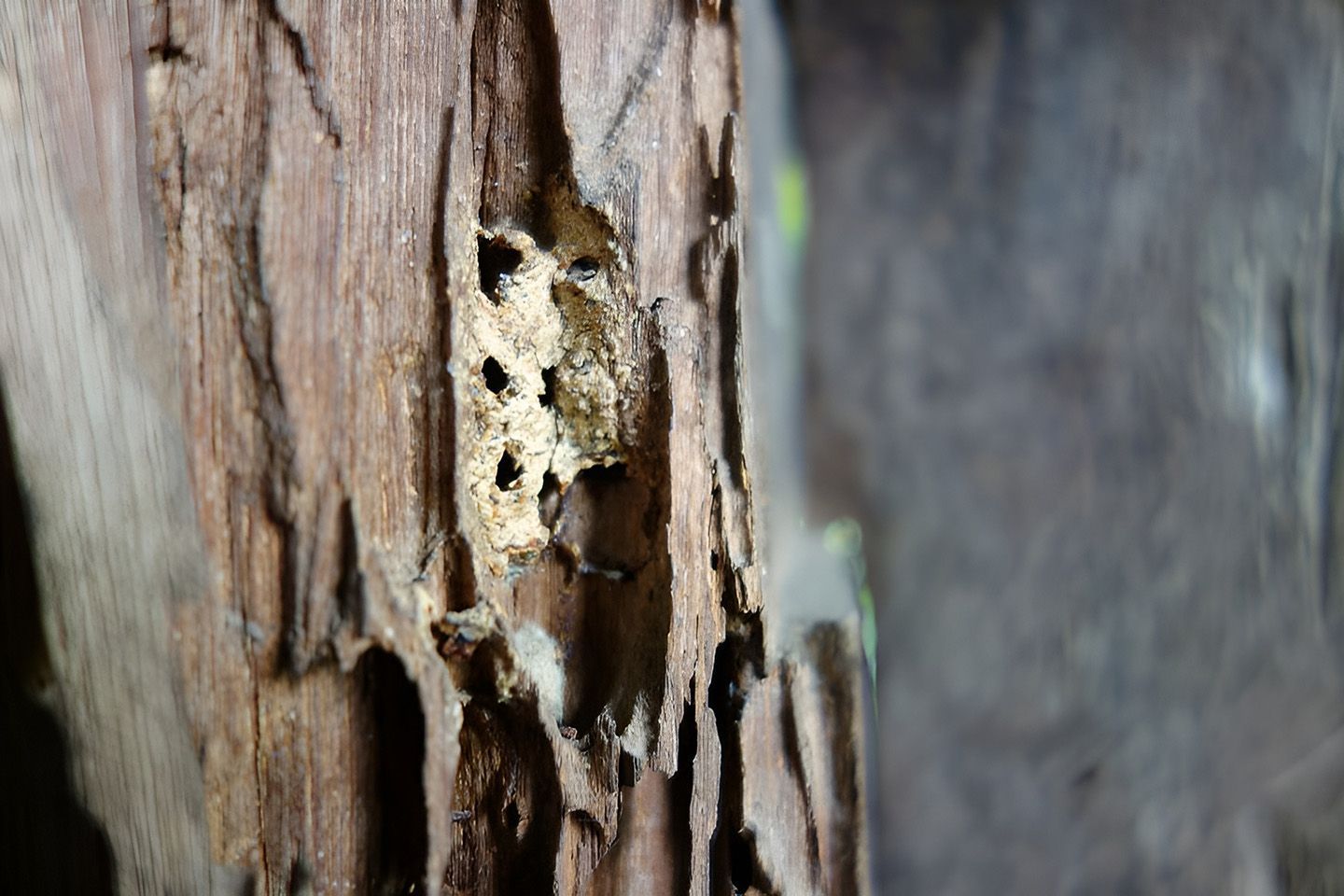
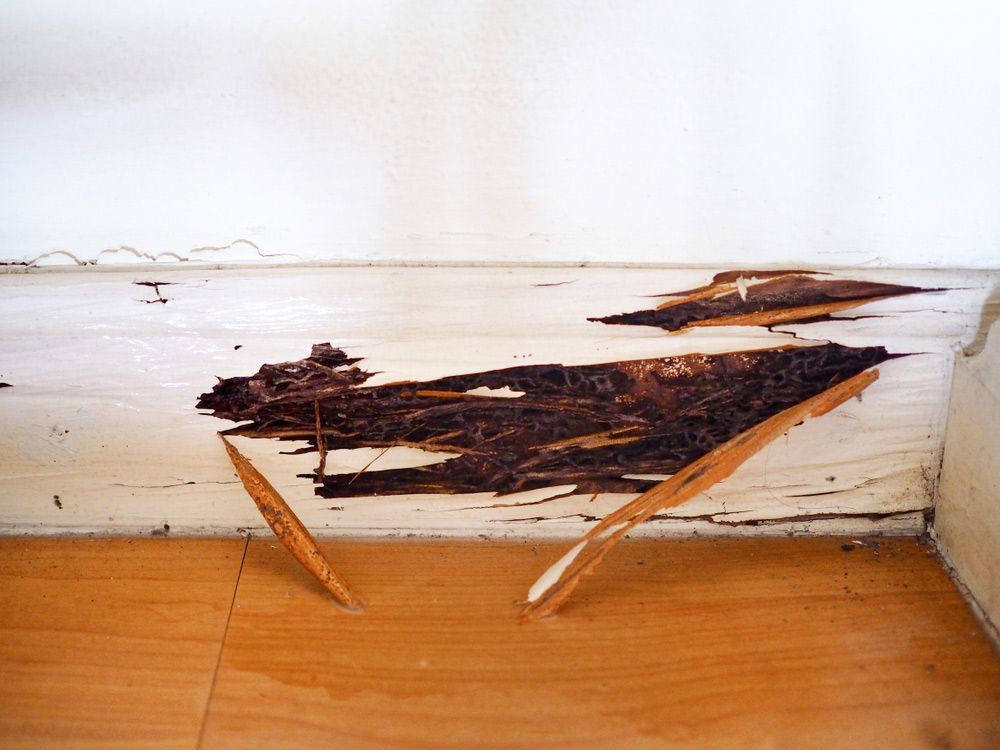
There's a particular kind of dread that comes with tapping a piece of skirting board and hearing a hollow thud where there should be solid timber. For homeowners on the Coffs Coast, that sound is more common than many people realise and by the time it happens, the damage has usually been building for months, sometimes years.
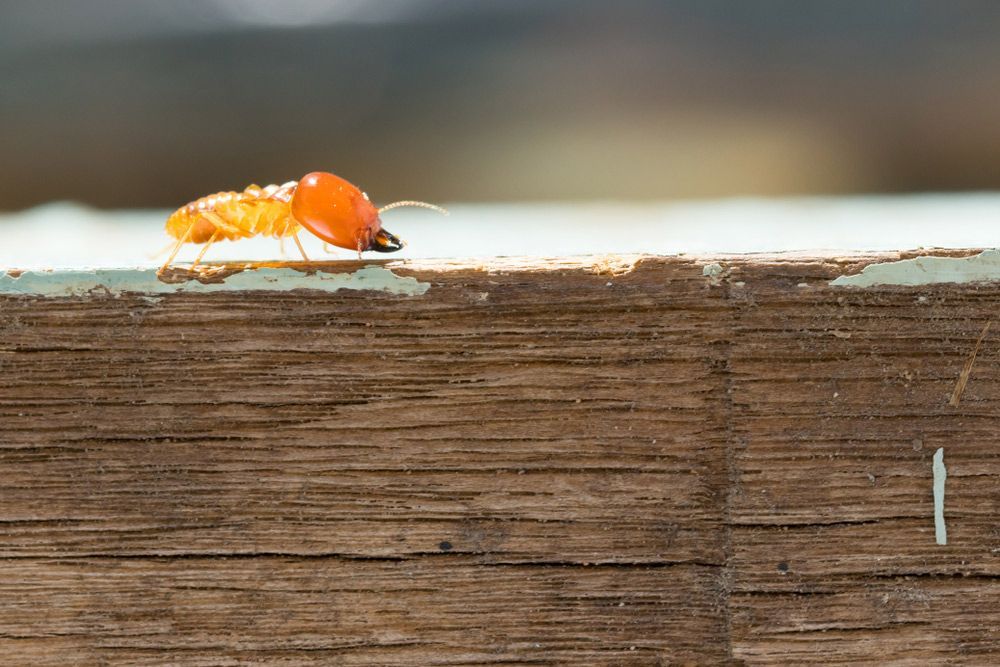
Termites are patient, quiet and remarkably good at staying out of sight. Understanding what a professional inspection involves, what inspectors are actually looking for and what happens if something is found, puts you in a much stronger position as a homeowner.
Why Timber Homes Are at Greater Risk
Older homes built with hardwood frames, weatherboard cladding or timber stumps give termites a ready food source that runs through the very structure of the building. While no home is completely immune, properties with significant timber content face a higher level of exposure — particularly when that timber is ageing, has been exposed to moisture or sits close to the ground.
Key risk factors in older timber homes include:
- Timber in contact with or close to soil, which creates a direct entry point for subterranean termite species
- Moisture damage or rot that softens timber & makes it more attractive to termite activity
- Concealed subfloor spaces that are difficult to access & rarely inspected by homeowners
- Older construction methods that didn't incorporate modern physical or chemical termite barriers
What Happens During a Professional Termite Inspection
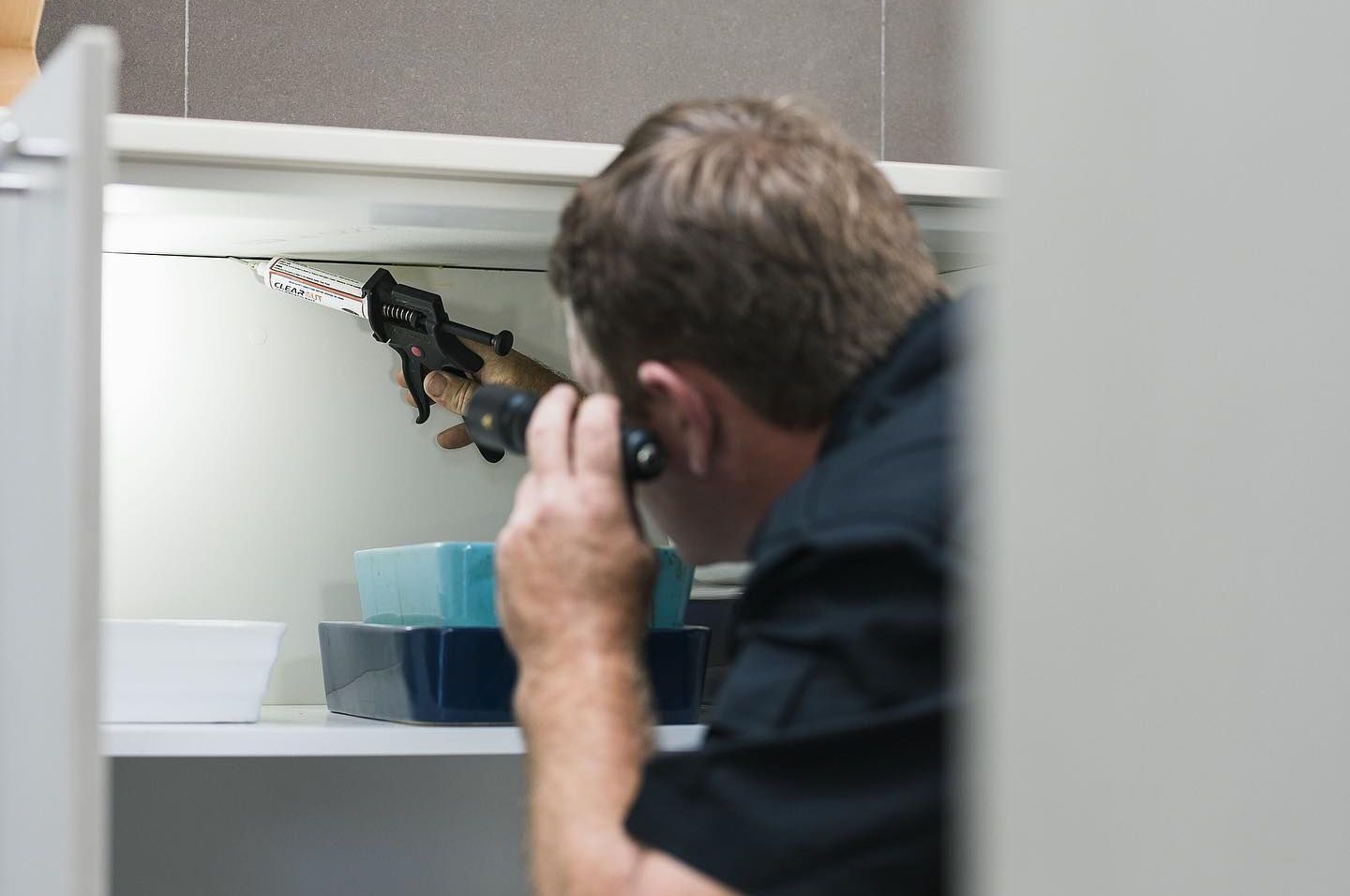
A professional termite inspection is a structured, methodical process that goes well beyond a visual check. Licensed inspectors are trained to look for conditions that make a property vulnerable, not just active infestations.
During an inspection, you can expect the inspector to:
- Examine all accessible areas of the property, including the roof void, subfloor, internal rooms & external perimeter
- Use thermal imaging cameras & moisture metres to detect activity hidden inside wall cavities, behind skirtings & beneath flooring
- Assess the condition of any timber elements for signs of damage, moisture ingress or conducive conditions
- Check garden beds, tree stumps, fencing & other timber structures adjacent to the home
- Review any existing chemical or physical barriers for integrity or gaps
The inspection is non-invasive — nothing is broken open or dismantled. If thermal or moisture readings suggest activity in a wall cavity, the inspector will note it and discuss next steps with you rather than opening the wall on the spot.
The Signs of Termites Inspectors Look For
One of the most useful things you can take away from a termite inspection is a clearer understanding of what early warning signs actually look like. Many homeowners don't recognise termite activity until it's well established, largely because the signs can be subtle and easy to mistake for ordinary wear and tear.
Common signs of termites that inspectors check for include:
- Mud leads or shelter tubes on walls, stumps, piers or pipes — these are the mud-lined tunnels termites use to travel between the soil & their food source
- Blistering, bubbling or sagging paint on walls or ceilings, which can indicate moisture from termite workings beneath the surface
- Hollow-sounding timber when tapped, especially in flooring, door frames or skirting boards
- Discarded wings near windowsills or doorways, left behind after a termite swarm
- Tight-fitting doors or windows that have begun to stick — frass (termite droppings) or structural movement can cause timber to warp
How Often Should You Get a Termite Inspection?
The Australian Standard AS 3660.2 recommends a termite inspection at least once every 12 months for most properties. However, that frequency can increase depending on the age of the home, proximity to bush or garden areas, previous termite history and whether a chemical barrier is in place.
As a general guide:
- Annual inspections are the baseline for most properties with no prior history & a current barrier in place
- Six-monthly inspections are recommended for high-risk properties — older homes, homes with known conducive conditions, or those in areas with high termite pressure
- Inspections before & after purchase are strongly advised for anyone buying or selling property, as termite damage may not be visible to an untrained eye & can significantly affect a building's value and structural integrity
What Happens If Termites Are Found
Finding live termites during an inspection is a stressful moment, but it's also the best possible outcome compared to discovering long-term structural damage that's been overlooked. A confirmed infestation means the situation can be addressed while the termites are still present and traceable.
If live activity is detected, the next steps typically involve:
- A detailed report outlining the extent of the infestation, the species involved & the areas affected
- A discussion with the homeowner about the most appropriate treatment approach based on colony location & activity levels
- A recommendation on whether emergency treatment is needed or whether a monitored treatment plan is more suitable
If live termites are detected, the team will walk you through the most effective termite treatment options for your property. Treatment is never a one-size-fits-all decision — the right approach depends on the species, the scale of activity and the specific construction of the home.
Understanding the Inspection Report
After the inspection is complete, you'll receive a written report that documents everything the inspector found, including photographs, moisture and thermal readings, risk ratings and any recommendations. This report is an important document to keep on file.
Key things a termite inspection report will typically cover:
- A summary of all areas inspected & any areas that were inaccessible
- Evidence of current or past termite activity, including location & estimated extent
- Conducive conditions identified on the property (moisture issues, timber-to-soil contact, etc.)
- Recommendations for treatment, repairs or barrier installation where relevant
- A risk rating for the property & a suggested timeframe for the next inspection
The report also serves as a useful reference point if you sell the property, apply for insurance or need to demonstrate due diligence to a future buyer.
The Role of Chemical & Physical Barriers
A termite inspection doesn't just identify what's already happened — it also assesses how well protected your property is against future activity. Most homes built or renovated after 1995 are required to have some form of termite management system in place, but barriers degrade over time and require periodic assessment to confirm they're still effective.
During an inspection, the condition of any existing barrier will be checked, including:
- Chemical soil treatments, which are assessed for continuity & potential gaps caused by disturbance, landscaping or construction work
- Physical barriers such as stainless steel mesh or crushed granite, which are checked for breaches or areas that have been compromised
- Reticulation systems, which are inspected for pipe integrity & checked to confirm they're still serviceable for top-up treatments
What to Do Between Inspections
Annual inspections are the foundation of a solid termite management strategy, but there are practical steps homeowners can take throughout the year to reduce risk and catch warning signs early.
Between scheduled inspections, it's worth:
- Keeping garden beds, mulch & timber debris away from the home's external walls & foundations
- Ensuring subfloor ventilation is functioning & that moisture isn't accumulating beneath the home
- Fixing leaking pipes, gutters or roof flashings promptly, as consistent moisture is one of the main attractants for termite activity
- Avoiding stacking firewood or timber against the house
- Doing a basic visual check of skirting boards, door frames & window reveals every few months — if something looks or sounds different, it's worth having it looked at
Ready to Book a Termite Inspection in Coffs Harbour?
We at All Pest Solutions understand that Coffs Harbour's warm, humid climate and abundance of coastal vegetation create the kind of conditions that termites genuinely thrive in. Add to that the region's mix of older weatherboard homes, timber stumps and established gardens and it's easy to see why termite activity is a consistent concern for homeowners across the Coffs Coast.
If it's been more than 12 months since your last inspection — or if you've never had one — now is the right time to book. Booking regular pest control in Coffs Harbour is the simplest way to catch termite activity before it causes structural damage.
Get in touch with our team today to arrange a thorough, professional inspection of your property.